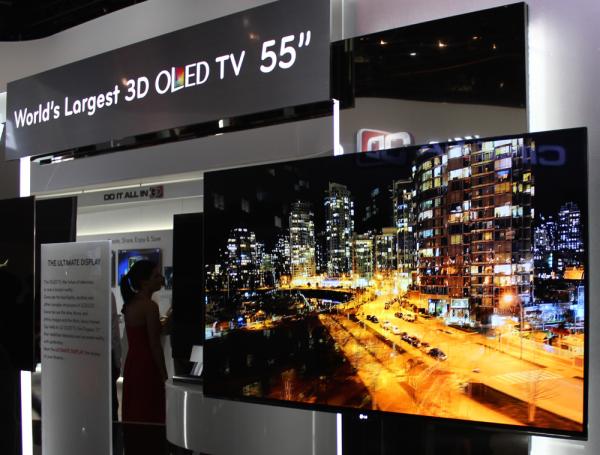
Your new 4K, Ultra High Definition (UHD) TV is finally home and now you’re ready to start enjoying 8 million pixels of next-gen, ultra-video awesomeness. But that screen isn’t gonna just fill itself with UHD. Doing so is going to take a bit of planning and logistics to ensure you wring every bit of performance you can from it. Should you buy one of the new UHD Blu-ray players? If you care first about image quality, you probably should. But what about Ultra HD streaming from Netflix, Amazon, Vudu, and others—should you write them off? Negative!
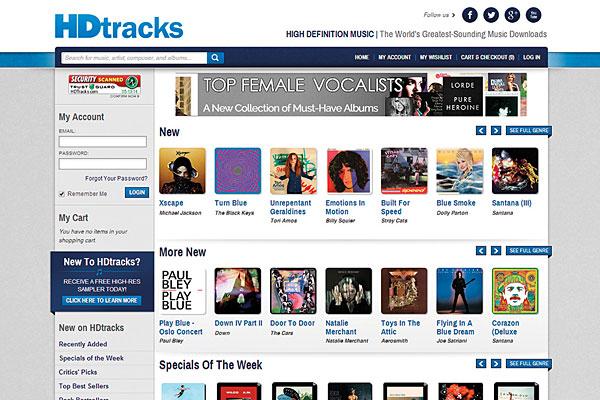
Finding Hi-Res Music: Hi-Res Audio is becoming more plentiful and easier to find online. Here’s where to go and what you’ll discover there.
Heard of Hi-Res Audio? While most folks argue the merits of Spotify vs. Apple Music vs. Pandora, enlightened music lovers busily seek out other online sources for their music fix. These destinations are generally small Websites that specialize in selling albums and individual song downloads in Hi-Res Audio formats. But just what is Hi-Res Audio?
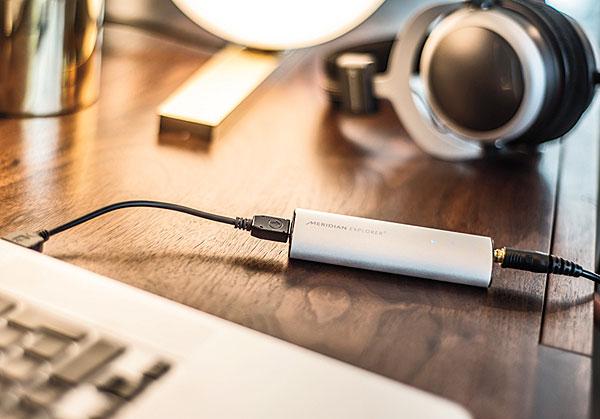
What's an "integrated amplifier/asynchronous digital-to-analog converter combo" (a.k.a. amp/DAC)? Editor-in-Chief Rob Sabin explains and presents an overview of the PS Audio Sprout and Teac AI-301DA reviewed by Dan Kumin.
The difference between regular and high-definition video is something that most folks will immediately recognize when they see it. But what about high-resolution audio? Unlike HDTV, which caught on fairly quickly and enjoyed a broad base of support from program providers and hardware manufacturers, hi-res audio or HRA, (now an industry-sanctioned term) has struggled to move out of its audiophile niche since downloadable content first came online back in 2008.
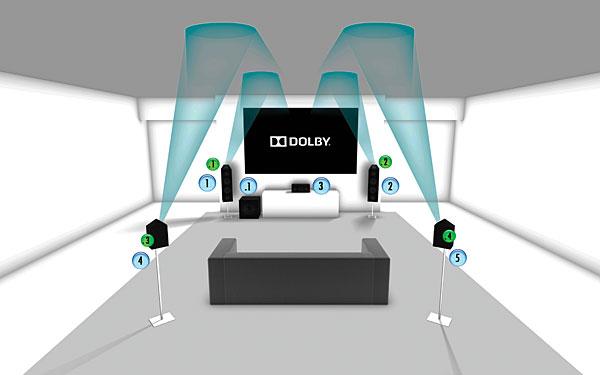
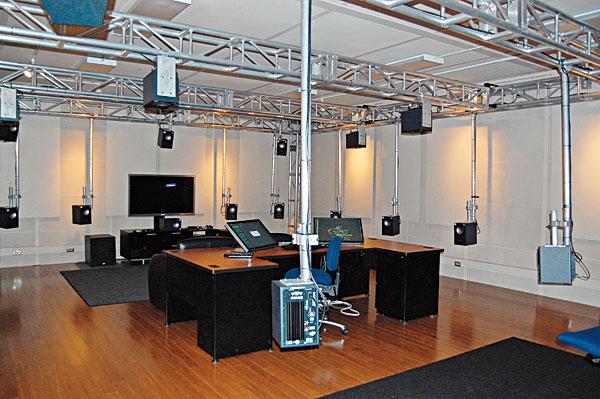
Dolby Atmos, the latest, “object-oriented” surround sound solution magicked up by the San Francisco technologists, has earned enough ink here and elsewhere that many of us are passingly familiar with it already. Briefly, then, object-oriented means that instead of panning discrete effects or overall mixes to left, center, right, or various surround channels, sound designers and producers can now direct sounds through a virtual listening space, letting the computer work out the details. Ultimately, of course, whether at the theater or at home, sounds still emanate from physical loudspeakers driven by physical amplifier channels, so there’s a certain amount of semantics at play here. But Atmos is scalable: A commercial theater can have as many as 64 discrete, individually addressable loudspeakers, including multiple “height” speakers in the ceiling.
The road to driverless cars is lined with technology we couldn’t have imagined a few years ago. From auto parking and rich head-up displays to cutting-edge “infotainment” features, dashboard tech is right up there with horsepower/performance, handling, and other traditional car buying metrics. And the pace of change we’ve seen over the past decade shows no signs of letting up—if anything, it’s accelerating now that technology has become an integral part of the shopping experience.
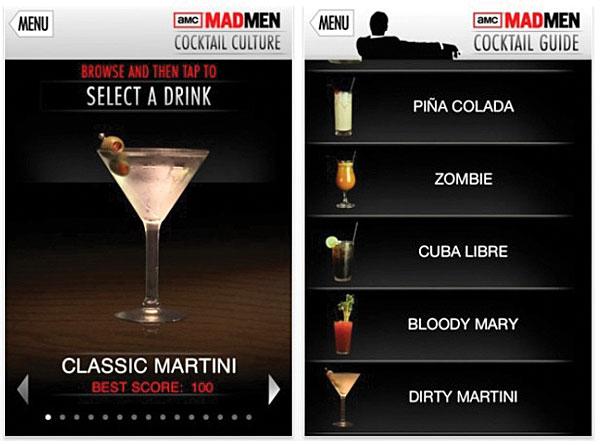
So desperate are the networks to keep you cuffed to their shows that they’ve been launching apps for the second screen. Made for the tablets and smartphones to which viewers’ eyes keep darting—often at the expense of the TV screen—these apps are intended to boost fan loyalty.
What do you get for the home theater buff who has everything…even if that home theater buff is you? We’ve uncovered an assortment of add-ons, doodads, and whatnot that will raise the bar on your audio/video rig and beyond.
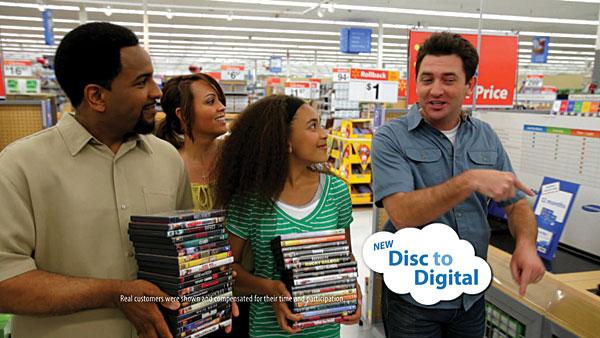
I half expected an ordeal as I walked into Walmart carrying a small shopping bag with several movies, ready to take the new Disc-to-Digital service for a spin. I was directed to the electronics department where I was greeted by a large placard that read: “Access your movie collection. Any time. Any place. 3 Easy Steps...” Offered in Walmart stores across the country, the service is operated through the chain’s online streaming service, Vudu, and is intended to provide an easy way to set up a cloud-based digital movie library with DVDs and Blu-ray Discs you already own.
Close your eyes. Wait, don’t do that. You won’t be able to read. Imagine yourself sitting in the center seat, center row, of a dark and empty theater. It’s a good theater, quiet, and you can feel the space stretching out from you in all directions. A sound rises to an audible level far in front of you. It’s a bee. Okay, maybe you don’t like bees. It’s an old plane, rotary engine struggling to turn over, the sputters emanating from a center channel speaker unseen behind the screen in the dark theater. The plane taxis left. There’s no picture on the screen: You localize it just by how the sound moves toward the left speakers.
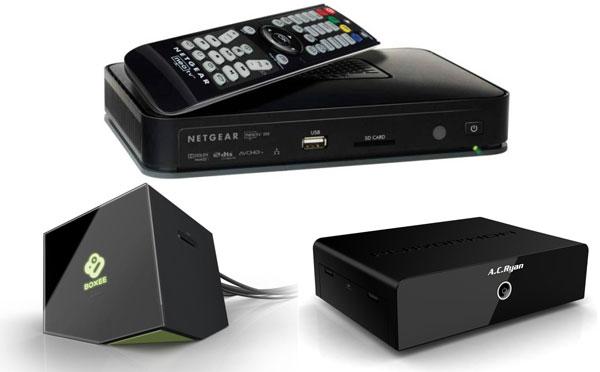
There is a growing number of media players, media streamers, and other devices that can access Netflix, Hulu, and your own saved media to watch on your TV. The first step in deciding which one to buy is to know why you want it. Do you only want to stream video and music from the Internet? Do you want to watch Netflix or Hulu, or do you like to find unique videos and video podcasts? Have you saved music, photos, and/or videos on your computer that you want to stream to your TV?
INEVITABLY, WHEN something cool comes out, it will influence everything that immediately follows. That’s what happened with Avatar. In 2009, we all went to see it in 3D, and the following year stores were packed with 3D TVs and 3D Blu-ray players.
Like most Home Theater readers, I’ve known SRS Labs primarily as the company that does virtual surround sound and other audio solutions for HDTVs and soundbars—features largely dismissed by serious enthusiasts as lightweight hocus-pocus. So it was with some skepticism that, back in March, I rolled into the firm’s Santa Ana, California, headquarters for a private demo of some new surround sound technology.