Successful streaming is about making the right connection.
If you’ve just read “Streaming for the Masses”, you’ve got some idea of the range of hardware that lets you stream video and music from the Internet to your home entertainment system. The primary options include HDTVs, Blu-ray players, A/V receivers, game consoles, and various DVRs and dedicated streaming appliances. To some extent, it does matter which you choose, both in terms of the content you can access and your ability to connect it for the best picture or sound quality.
Streaming video has gone mainstream. Are you ready?
Once upon a time, outside factors controlled when and where you could watch a TV show or feature film. Over the past 35 years, that’s evolved dramatically. The revolution began with the introduction of the VCR in 1976. Its ability to record and archive broadcast TV shows and movies on magnetic tape burst open the floodgates for entertainment in the home. Other formats followed, all the way up to our present-day high-density Blu-ray Discs. One thing they’ve all had in common, though, is their physical nature. That’s all changing now. Like it or not, we’re entering a transition phase from physical media to streaming and the cloud. Looks like a revolution all over again.
When Robbie Robertson met Jimi Hendrix in New York’s Greenwich Village in 1966, Hendrix (then going by the name of Jimmy James) was intent on learning about a subject crucial to his future as an artist. “He only wanted to talk about songwriting,” revealed Robertson. “Because I was playing with Bob Dylan then, he thought I might know something about those secrets.” What was the best advice Robertson shared with Jimi? “If everybody is writing about one particular thing, then I would not go in that particular direction, because it’s crowded over there.
Good is good. It’s a simple adage, but one that’s especially true when it comes to music. Genre and predetermined preferences should be secondary if you’re truly interested in having your ears entertained, challenged, and enriched.
Good is good. It's a simple adage, but one that's especially true when it comes to music. Genre and predetermined preferences should be secondary if you're truly interested in having your ears entertained, challenged, and enriched.
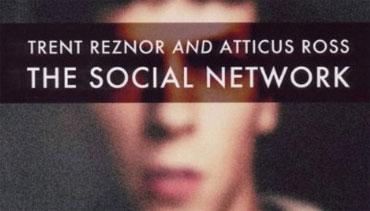
Trent Reznor and Atticus Ross won the Oscar for Best Original Score for The Social Network, and it's a modern and adventurous film score if ever I've heard one. It's haunting, of-the-moment, and immersive - and, best of all for us S+V types, it's available in surround sound. Go here to get yours.
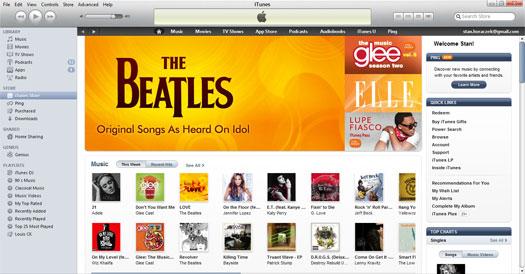
The Internet has come alive with cheers of audiophiles and jeers of audiophobes since CNN.com reported unconfirmed rumors that download services such as iTunes and Amazon MP3 would soon begin offering music files with 24-bit resolution. Technically, this is a step up from the 16-bit resolution available in most downloads. But predictably, non-audiophiles are criticizing this move as little more than a naked marketing ploy.
Some things you know right away in your rock & roll bones. When I first met Billy Corgan of Smashing Pumpkins in 1991, we bonded over the contents of a suitcase he carried with him wherever he went: an ever-growing mountain of live Jimi Hendrix cassettes (some authorized, some not). As the Pumpkins’ trippily punishing debut album, Gish, had just begun melting the ears of the alt-rock cognoscenti, Corgan was already cocksure of where he was going in the world.
Do you trust your ears? I don’t. By that I mean I don’t trust my ears. Frankly, though, I don’t trust anybody’s. I’ve heard laymen enthuse about systems that had little more to offer than a few notes of booming bass. I’ve heard audio veterans trash impeccably engineered speakers — and praise speakers that showed glaring technical flaws.
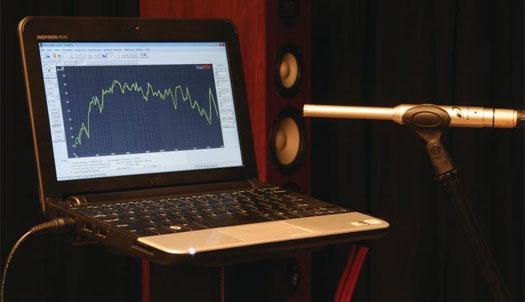
Do you trust your ears? I don't. By that I mean I don't trust my ears. Frankly, though, I don't trust anybody's. I've heard laymen enthuse about systems that had little more to offer than a few notes of booming bass. I've heard audio veterans trash impeccably engineered speakers - and praise speakers that showed glaring technical flaws.