- REVIEWS
Displays Electronics 
Speakers Sources Other Gear Software - HOW TO
How To Buy How To Use Tech 101

Can Electrolytic Caps Degrade Sound in Vintage Audio Gear?
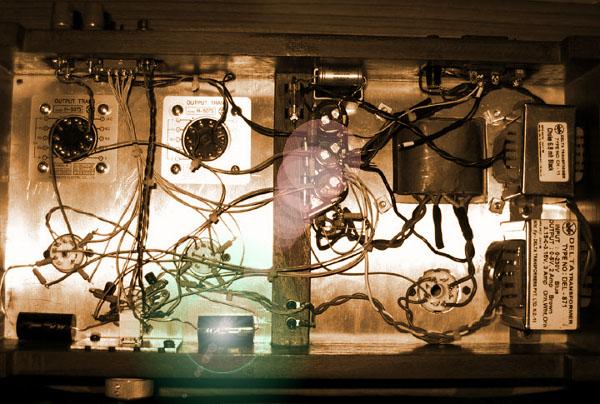
Q I have read that the electrolytic capacitors in audio equipment can degrade and leak after years of use and that sound quality will suffer as a result. Is this true? I have a few pieces of 25-to-30-year-old gear that still sound fine to me. I’ve also read that upgrading capacitors can improve sound quality. Is that another myth? —Rob Gerry / via e-mail
Q It’s true that the electrolyte solution in capacitors can dry up or leak out after 20-plus years, particularly if equipment has been sitting idle for a long spell. This can cause component values to drift out of spec, which degrades sound quality. Failed capacitors can also be a source of buzzing noise in aging audio gear. That’s why cap replacement is the primary DIY fix you’ll want to investigate after scoring a vintage receiver or amp at a garage sale.
Some audio hobbyists might advocate a preemptive cap replacement for 25-to-30-year-old components, but if your gear sounds fine, then the best course of action is probably to leave well enough alone—particularly if your soldering skills aren’t up to snuff. As for upgrades, switching out capacitors can have an audible effect, which is why it’s one of the many tweaks that audiophiles pursue. But unless you know what you’re doing, such a tweak could end up degrading, rather than upgrading, your component’s sound.











































| Displays Electronics Speakers | |
Sources Other Gear Software | |
Top Picks of the Year Top Picks | |
Custom Install How To Buy How To Use | |
Tech 101
|
|
Latest News Features Blogs | |
Resources Subscriptions |
WHERE TECHNOLOGY BECOMES ENTERTAINMENT
 © 2026 Sound&Vision
AVTech Media Americas Inc., USA
All rights reserved