- REVIEWS
Displays Electronics 
Speakers Sources Other Gear Software - HOW TO
How To Buy How To Use Tech 101

Why Do DACs Have a Digital Output?
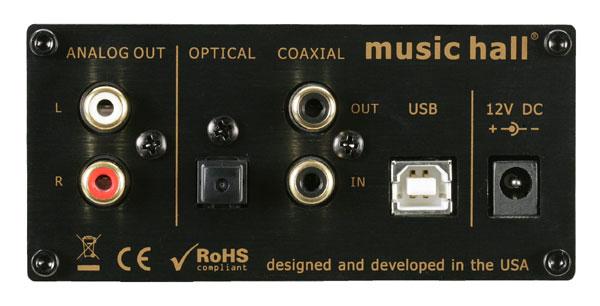
A Standalone DACs were initially used to improve the sound of a CD player hooked up via a coaxial or Toslink digital connection. But DACs nowadays serve multiple functions: most include USB ports and can process digital audio sources ranging from computers to media servers to media streamers like the Apple TV.
While a digital output connection on a DAC might seem contrary to its main function, there’s a good reason why you’d want one there. Say you have a Blu-ray player connected to the DAC. When playing a two-channel format such as a CD, the DAC would be used convert the stereo PCM signal coming from the CD to analog. But when playing a movie on Blu-ray or DVD using the same machine, you’d instead want the DAC to kick into pass-through mode and route the multichannel digital bitstream on disc to your AV receiver for processing.
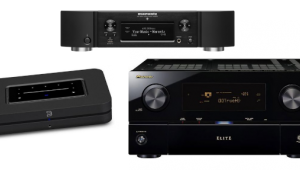
Standalone units ranging from Music Hall’s dac15.2 ($299) and Cambridge Audio’s DacMagic Plus ($599) up to the Benchmark DAC2 HGC ($1,995) are good examples of DACs that provide a digital output. While the main use case for these would be the multichannel soundtrack pass-through cited above, some folks use DACs to derive dual digital/analog output from a source like a media streamer to feed an AV receiver for multiroom audio. Why? Many AV receivers aren’t capable of distributing digital audio signals for zone 2/3 output, so sources like an Apple TV that only provide a digital output require digital-to-analog audio conversion before audio can be routed to additional zones.












































| Displays Electronics Speakers | |
Sources Other Gear Software | |
Top Picks of the Year Top Picks | |
Custom Install How To Buy How To Use | |
Tech 101
|
|
Latest News Features Blogs | |
Resources Subscriptions |
WHERE TECHNOLOGY BECOMES ENTERTAINMENT
 © 2026 Sound&Vision
AVTech Media Americas Inc., USA
All rights reserved