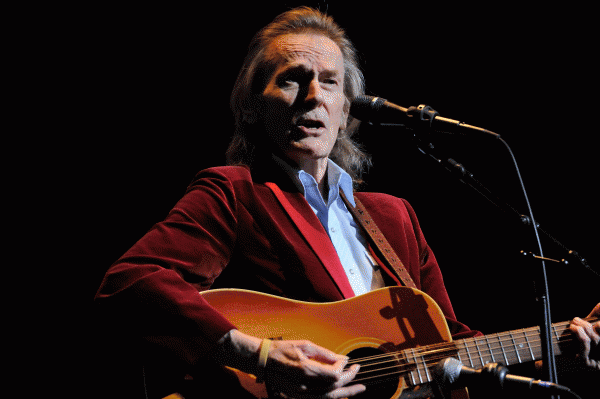
Legendary Canadian songwriter Gordon Lightfoot called us from his homebase in northern Ontario to discuss why he personally tunes his guitars before every show, how and why he made the choices about where his vocals appear in studio mixes, and the continuing importance of historical accuracy in his songwriting.
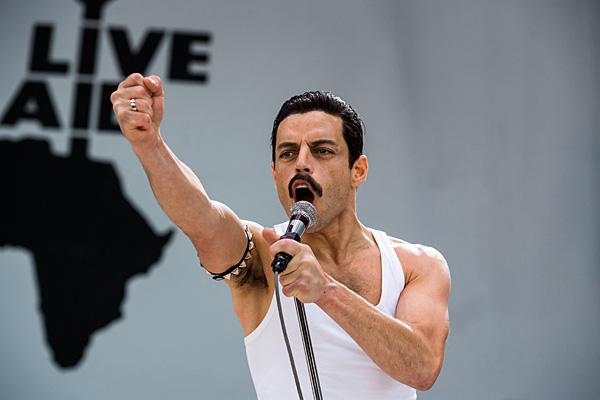
The indisputable success of Bohemian Rhapsody confirms what many of us have known for decades: Queen was one of the biggest rock bands in the world, and their late frontman Freddie Mercury was one of the singularly most polarizing and mesmerizing popular-music performers of the 20th century.
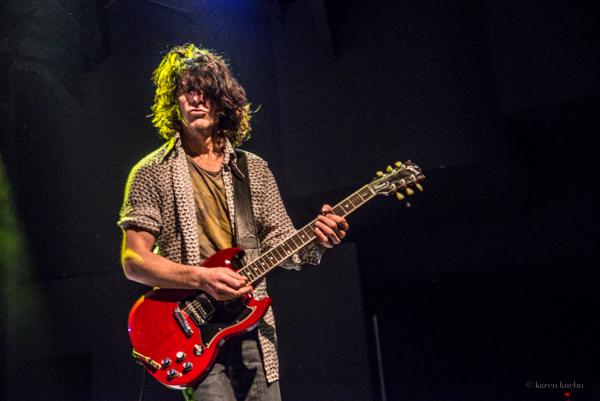
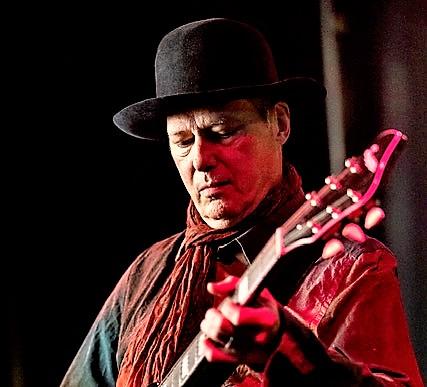
Guitar maestro Eric Schenkman (of Spin Doctors fame) called us from his homebase in Toronto to discuss the creative process behind his new blues-tastic solo album Who Shot John?, his inherent audiophile tendencies when it comes to vinyl playback, and where he currently fits in on the “totem pole” of visionary musicianship.
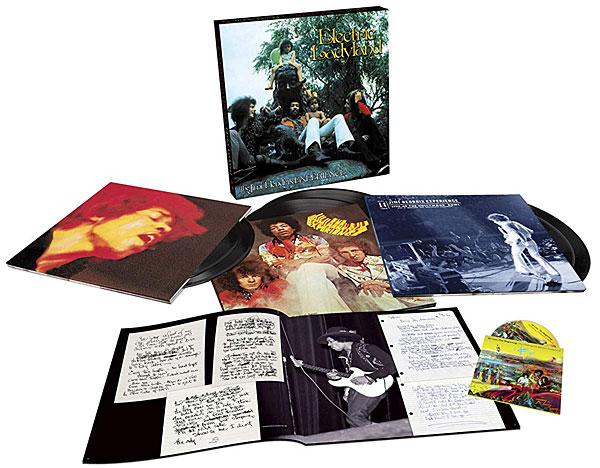
The nomenclature of the key line that appears within the credits of the original October 1968 double-vinyl release of Electric Ladyland tells quite the prescient tale: “Produced And Directed By Jimi Hendrix.” The most crucial word in that phraseology, of course, is Directed, as the ace guitar slinger spent a good bit of his in-studio time in 1968 thinking in purely cinematic terms.
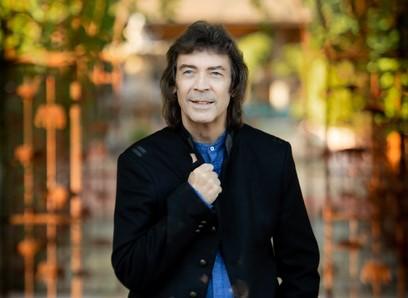
We got on the line with iconoclast guitarist Steve Hackett to discuss the rudiments of the soundscapes that comprise his stunning new album At the Edge of Light, the importance of physical packaging in the digital age, and, of course, his plans for future solo-catalog-derived surround sound reissues.
Crack The Sky guitarist/producer Rick Witkowski and vocalist/songwriter John Palumbo got on the line with us to discuss the collaborative symbiosis of their in-tandem sonic Crack attack on two concurrent new releases, Living in Reverse and Crackology, how important The Beatles remain in their respective creative DNA, and how embracing the past sets them up for a bright future.
We got on the line with iconoclast guitarist Richard Lloyd to discuss the vinyl-intended sonic template of his new laser-sharp solo album The Countdown, why Television’s seminal 1977 debut album Marquee Moon remains perpetually influential, and his take on creating sound in outer space.
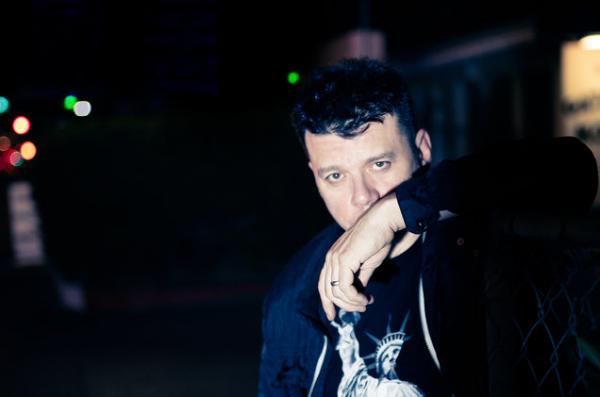
Scott Kirkland of The Crystal Method got on the line with us to discuss getting back to his core electronic music values on The Trip Home after parting ways with his longtime collaborative partner Ken Jordan, his thoughts about remixing new and catalog material in Dolby Atmos, and refocusing his goals following brain surgery.
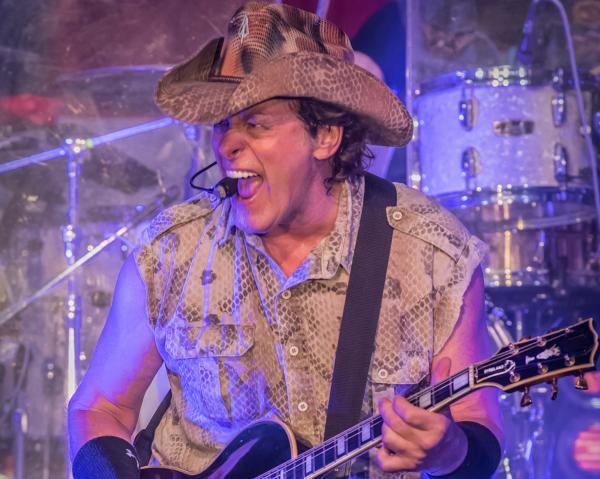
The Motor City Madman himself, Ted Nugent, got on the line with us to discuss the sonic impetus for his new album The Music Made Me Do It, the never-ending importance of capturing the right guitar tone, and the connection we all have with where and how music itself ultimately originated.
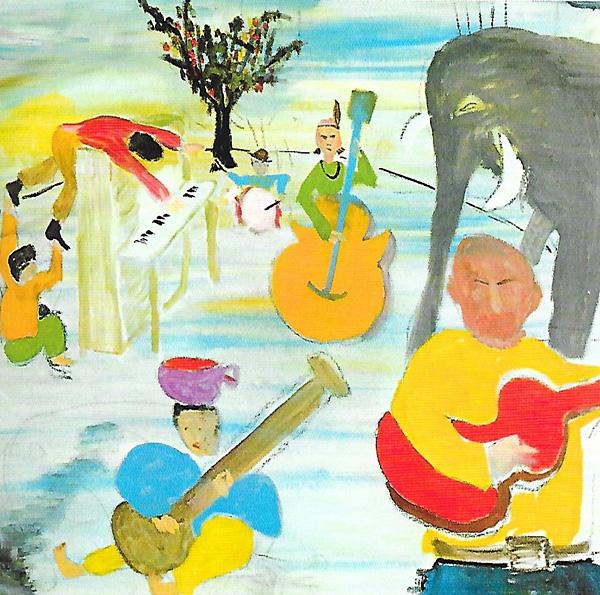
Right in the swirling midst and mists of psychedelia, hard rock, and acid rock, The Band’s July 1968 debut, Music From Big Pink, was a literal breath of rustic fresh air. In fact, Big Pink was seemingly dropped onto the music scene from out of nowhere—even though it was mostly born and bred in the basement of a cozy little rosy-hued house in upstate New York (one that frequently entertained a certain motorcycle-injury-recovering songbard by the name of B. Dylan as a regular creative contributor to the proceedings).