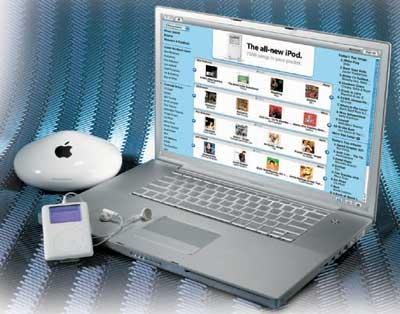
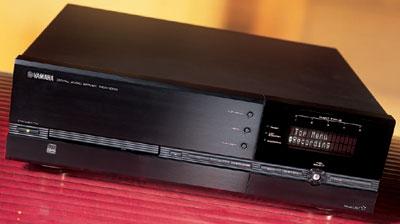
Photos by Tony Cordoza Take a good look at the Yamaha MusicCAST system: it just might be a glimpse into the future of home audio entertainment. The MCX-1000 server (above), essentially a CD recorder on steroids crossed with a digital music server, provides two main improvements over traditional playback devices.
For more than a decade, the arrival of high-definition television was trumpeted with all the bluster of a carnival barker and the sincerity of a contestant on a reality-TV dating show.
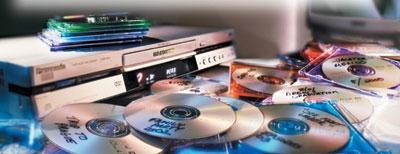
Photo by John Wilkes Visiting a local Circuit City recently, I saw several customers in front of the display of DVD recorders, mulling over the three or four models shown. Unfortunately, that's all they were doing - mulling. Although each of them probably yearned to replace an aging VCR with a shiny new DVD recorder, nobody had the gumption to lay down the bucks.
Most new A/V trends are slow out of the gate. It seemed like forever before high-definition TV got off the ground, and audio formats like DVD-Audio and Super Audio CD are still struggling for recognition. By contrast, radical advances in computer technology seem to take the world by storm at least once a year. First there was the Web, which bleary-eyed users accessed via sluggish dial-up modems.
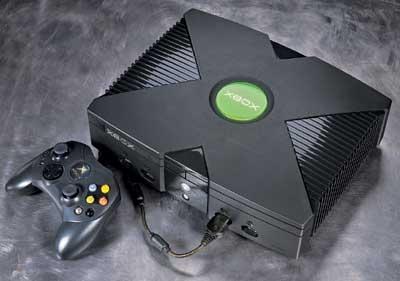
Photos by Tony Cordoza Now that you know what the hottest games are, why are you still playing them on a small screen using the TV's anemic speakers? Jacking your game console into your home theater is a no-brainer that will take your gaming to the next level. Using a big screen draws you into the action, and the surround sound totally envelopes you.
Photo by Tony Cordoza The success of DVD is so colossal, so rampant, so relentless that anyone discussing the format is almost obligated to gush about its astounding features and many victories in the electronics arena. For a change of pace, I think it's time to admit a dark secret: a lot of people hated the format when it first came out.
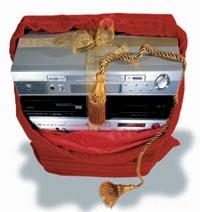
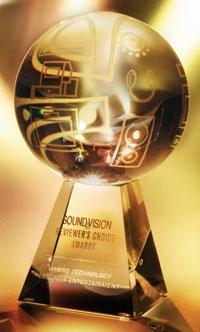
Photo illustration by John Wilkes This year's Sound & Vision Reviewer's Choice Awards feature a number of home- entertainment firsts, including JVC's GR-HD1 high-definition camcorder, Sony's RDR-GX7 DVD recorder, which supports both the DVD-R/RW and DVD+R/RW formats, and Yamaha's MusicCAST, the first Wi-Fi music system from a m
Photos by John Wilkes Viewscreen images by Al Griffin The holidays are a time for giving, but they're also very much a time for receiving. And if you ask me, there's no better gift to get than a digital camcorder, especially when it's delivered to your office by a Santa-type figure dressed in a FedEx uniform.
Not so long ago, people used the 12 days after Christmas as an opportunity to continue to give gifts - and from that generosity the well-known carol was born.
Julian Hirsch, an engineer and magazine writer who was instrumental in transforming hi-fi from an esoteric hobby into a multibillion-dollar global industry, died Monday, November 24, at the age of 81 after a long illness.
My father always attributed his early interests in technical matters to his maternal grandfather, who, in his words, "knew a little bit about everything." In those days, the lowly telephone was not commonplace in rural America, international calling was an exotic luxury for the wealthy, and the Internet was the stuff of pulp science-fiction novels.
The introduction of the compact disc was the greatest single leap forward in the history of recorded audio after Edison's invention of the phonograph in 1877 and the introduction of electrical recording in the late 1920s. By 1983 the long-playing (LP) record had entered what the late Peter Mitchell, my prime audio mentor, aptly referred to as its Baroque period.