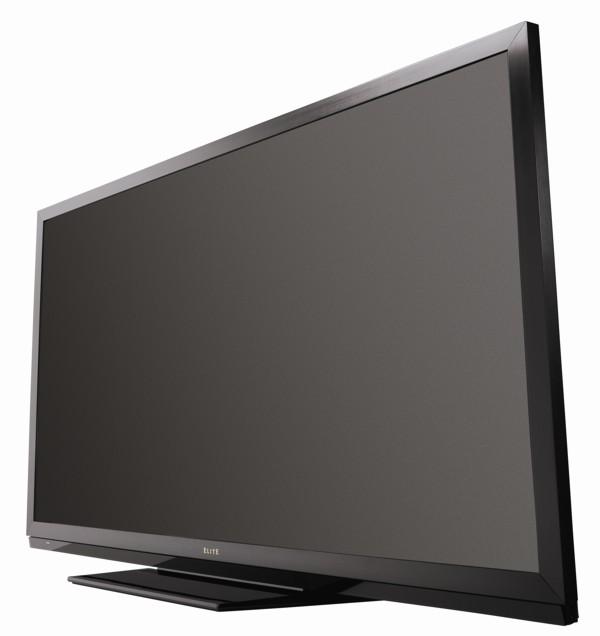
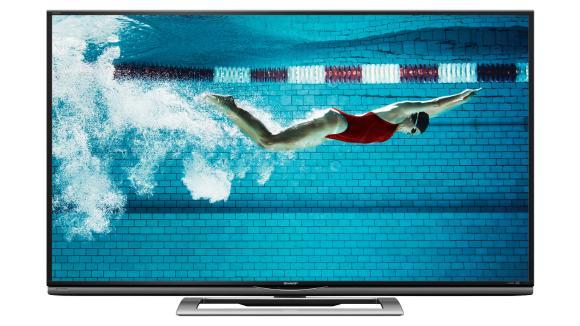
The Pioneer Elite TV brand is becoming Sharp Elite for a new line of LED-backlit LCD TVs. Sharp took the wraps off the first two models, 70 and 60 inches, today at a New York press event. At first glimpse they were dazzling.
Some background: The Pioneer Elite Kuro plasmas were widely regarded as among the best HDTVs ever made. They were a high-end, premium-priced product. But though they wowed critics, they didn't sell enough for the line to survive. Two years ago Pioneer exited the TV business, though it continues to use the Elite brand for its higher-end audio components. Earlier this year Pioneer licensed the Elite name to Sharp for use as a TV brand, a logical move given that Sharp is Pioneer's largest shareholder. And so the LCD phoenix rises from the plasma ashes.
''Tis the season indeed! Have you seen this gorgeous display at NY's Grand Central Station? Get yourself quickly down to check out the AQUOS Experience, complete with a 26-foot tall tree created from 43 Sharp AQUOS LCD TV. To create...
Sharp has developed a new five-color LCD that, according to the company, "faithfully reproduces the real surface colors that humans are capable of perceiving."
HT Staff | Jun 08, 2004 | First Published: Jun 09, 2004
More manufacturers are entering the LCD TV fray, and Sharp Electronics is responding to the pressure with price drops for its leading Aquos line. The new prices could prove quite attractive for movie fans that have been looking for a sleek, lightweight flat panel.
Further dashing the hopes of all those who long for a return to the days when a really big big-screen TV occupied more space in your living room than a pair of side-by-side refrigerators (and just about as stylish), Sharp recently unveiled a prototype 65-inch diagonal LCD HDTV - giving them, for the moment, possession of the official "World's Largest LCD Color TV" plaque. Prior to Sharp's announcement, the people who get paid to pontificate on such things ("panel pundits") had proclaimed a probable production-size limitation in the mid-forty inches for LCD TV diagonals. (Stunned by seeing proof that such a large screen size was possible, many of these panel pundits quickly switched to politics or weather forecasting, neither of which require much accuracy or accountability.)
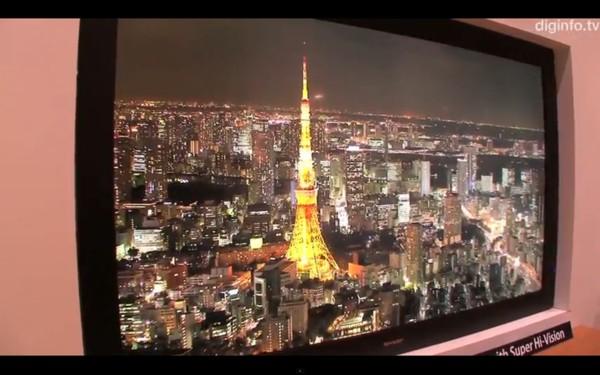
Hankering for an HDTV with 16 times the total resolution of 1080p, currently the consumer TV industry's gold standard? Sharp offers for your consideration the Super Hi-Vision set, currently in prototype.
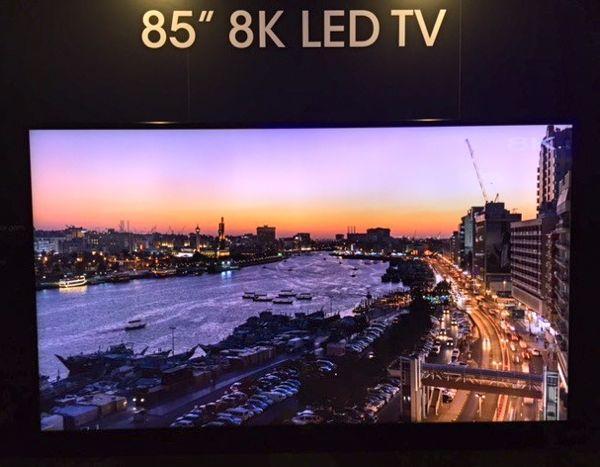
Resolution of the 85-inch panel is 7680 by 4320 pixels, definitely an increase over the 1920 by 1080 pixels available in today's best sets at the consumer retail level. That's 103 pixels per inch, versus the 36 pixels per inch of a 60-inch 1080p set, or 33 megapixels, versus the 2 megapixels of current HDTV.
Japan-based Sharp confirmed in a terse statement posted on its website that the brand will re-enter the TV business in the U.S. during the second half of the year under a partnership with Hong Kong-based Hisense.
Sharp Electronics today unveiled its first Ultra HD TV, the 70-inch AQUOS LC-70UD1U LED-based LCD TV, which will sell for $8,000 when it hits stores in mid-August. Hailed as the company’s “finest television ever,” the set has four times the resolution of standard high-definition and is the first Ultra HD TV to receive THX 4K certification.
The video-display war got a lot hotter on December 3. That day, <A HREF="http://www.sharp-usa.com/">Sharp Electronics</A> debuted its SharpVision LC-R60HDU CG-Silicon rear projector, the first such display to incorporate the company's revolutionary continuous-grain silicon (CG-Silicon) LCD technology. The 60"-diagonal display has more than 3.93 million pixels, and is said to offer unprecedented brightness, clarity, and color accuracy from any viewing angle. Perfection doesn't come cheap, however. The new projector costs a cool $50k.
The U.S. Environmental Protection Agency is awarding Sharp the Excellence in Energy Efficient Product Design Award for 2011. The award ceremony will take place in Washington, DC on April 11.
Sharp Aquos Quattron TVs beat the voluntary Energy Star efficiency standards by 67 percent. Fifty-one Sharp LCD TVs are Energy Star certified along with all of its Blu-ray players.
Sharp announced that the WiSA Universal Player it plans to introduce early next year has received an International CES Innovations 2014 Design and Engineering Award in the High Performance Home Audio category.