Projector Reviews

Sort By: Post DateTitle Publish Date
Shane Buettner  |  Sep 12, 2006  |  First Published: Sep 13, 2006
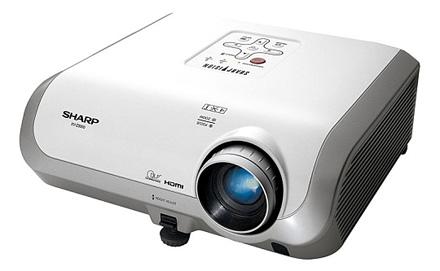
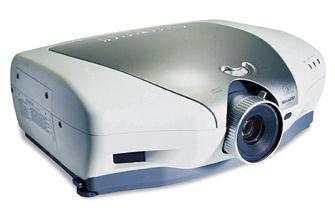
  • $3,499
  • 1280x768 single-chip DarkChip2 DLP
  • Key Connections: One HDMI input, two component video inputs, one RGB/PC on 15-pin DSUB
Features We Like: TI's 10-bit BrilliantColor video processing, Sharp's Color Management System, adjustable iris allows tailoring of light output
Michael Fremer  |  Feb 10, 2002

You want to believe. I want to believe. We all want to believe that, some day, a tiny chip the size of a 35mm transparency in a video-display device the size and weight of a slide projector will be capable of producing a moving video image so exquisitely filmlike that it will banish bulky, expensive, tweaky CRT projectors to the trash heap of technological history.

Kevin Miller  |  Jan 03, 2002  |  First Published: Jan 04, 2002
Welcome to a new era of DLP performance.

In terms of video performance, DLP-projection technology for home theater applications has just taken a major leap forward. Sharp's new XV-Z9000U is the first DLP projector based on Texas Instruments' new native 16:9, 1,280-by-720-resolution chip. This projector promises to radically change the front-projector market, as it offers unprecedented picture quality in its product category at a very reasonable price. At a list price of $10,995, the XV-Z9000U comes close to delivering the same picture quality as 7- and 8-inch CRT-based front projectors that range in price from $15,000 to $30,000. The XV-Z9000U is one of those rare products in the home theater industry that elevates its category to a performance level that many of us previously thought was unachievable.

Ultimate AV Staff  |  May 24, 2006

<IMG SRC="/images/archivesart/506sharpZ20000.jpg" WIDTH=200 HEIGHT=102>

Thomas J. Norton  |  Apr 23, 2006

When manufacturers announced the first three-chip DLPs aimed at the home theater market, my first thought was, "I'm there!" One thing about even the best single-chip DLPs continued to bug me: those pesky rainbows.

Fred Manteghian  |  Jun 13, 2005

Early DLP projectors gave me headaches, literally. What's more, as little as 15 minutes in a darkened room with a DLP projector left me unable to read the printed word. I doubted Texas Instruments, manufacturer of the micromirror technology used in every DLP display, would ever have considered using me in one of their commercials. Imagine staring at large red and green dots while someone shakes your head violently enough that you begin seeing yellow. Welcome to my migraine.

Kevin Miller  |  Jun 11, 2002  |  First Published: Jun 12, 2002
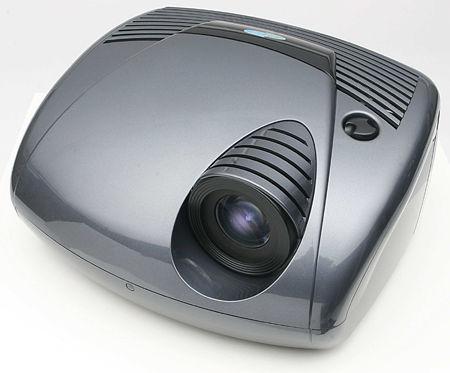
SIM2 enters the one-chip-DLP arena.

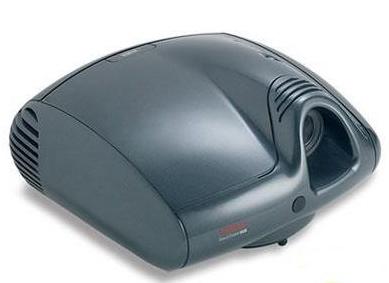
SIM2 is a large Italian projector manufacturer that has been making inroads into the U.S. video market for the last several years. The company is squarely behind DLP technology and has introduced a high-resolution 1,280-by-720 one-chip DLP projector as the most recent addition to their Grand Cinema line. The HT300 is one of only a few of these new one-chip wonders on the market and is the most attractive DLP projector currently available, with a design that reflects all of the heritage and flair of its Italian creators. It's housed in an attractive dark-gray case with a metallic high-gloss finish called gunmetal gray, which is the only color this handsome projector comes in. The HT300 is extremely compact, measuring 13.7 by 7.2 by 12.5 inches (L/H/D) and weighing a mere 12.1 pounds.

Steven Stone  |  Jun 18, 2002

DLP projectors are the future. Of course, Sony and Philips said the same thing about the compact disc in 1983. When I heard my first CD player, the Sony CDP-101, I lasted 15 seconds before I left the room&mdash;it sounded that horrible. The first Digital Light Processing (DLP) projector I laid eyes on fared much better. I watched it for a full five minutes before I fled, blinded by the "rainbow effect."

Thomas J. Norton  |  May 17, 2003

The CRT is a relatively stable, mature technology, but the new digital projection systems, particularly Texas Instruments' Digital Light Processing (DLP), are moving targets. Last year, DLP really came into its own for home theater with the introduction of TI's HD1 Digital Micromirror Device (DMD). Not only did the HD1 have a true 16:9 widescreen aspect ratio with 1280x720 resolution, but DLP projectors based upon it were significantly better than earlier designs, particularly in the depth of their blacks.

Gary Merson  |  May 01, 2004
SIM2's new HD2+ DLP projector delivers the goods.

Digital Light Processing front projection has a short but interesting history. It began in the late '90s when the first consumer DLP projector was marketed. This new type of display—which uses a tiny, reflective chip called a DMD (digital micromirror device) that contains hundreds of thousands of hinged mirrors (instead of miniature LCD panels)—provided consumers with an early look at all-digital imaging. This primitive effort made big pictures, but it had many picture-quality issues.

Shane Buettner  |  Sep 12, 2006  |  First Published: Sep 13, 2006
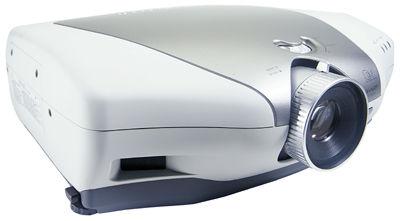
  • $15K
  • 1920x1080 single-chip DarkChip3 DLP
  • Key Connections: Dual HDMI and component inputs
Features We Like: 1080p, full 10-bit BrilliantColor processing by TI, 7-segment color wheel , advanced color management system, vertical lens shift
Ultimate AV Staff  |  May 24, 2006

<IMG SRC="/images/archivesart/506sim2ht3000.jpg" WIDTH=389 HEIGHT=283>

Ultimate AV Staff  |  Oct 24, 2006

<IMG SRC="/images/archivesart/1006sim2ht5000.jpg" WIDTH=450 HEIGHT=200>

J. Gordon Holt  |  Dec 11, 2002

At 27 inches long, 77 pounds, and $7895 list, the SVP 420HB from SIM2 Multimedia is the least expensive, smallest, lightest CRT projector I've ever had in my home&mdash;although it's not exactly what I'd call portable. (Normally, my personal schlep limit is 55 pounds. One martini takes it to 65, but 77 pounds would mean a week in bed.)

Mike Wood  |  Mar 28, 2000  |  First Published: Mar 29, 2000
Sèleco shows us that you can get excellent color fidelity and great resolution at a budget price.

If you don't want a front projector, you should. Projectors rock! A big-screen image is the only way to get that cinematic feel with home movies (prerecorded movies, that is—not the jittery Handicam shots of your baby's first steps).

Pages

X