Circuit City can't catch a break. The FCC just slapped the struggling retailer with a whopping $712,000 fine for violating an FCC rule. In order to forewarn consumers about the February blackout of analog TV, the FCC is requiring retailers to put...
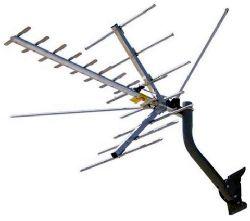
Tomorrow the Federal Communications Commission and local broadcasters will run a "soft test" of the DTV transition. Analog TV broadcasts will be interrupted three times on May 21, 2009 with a message heralding the end of analog broadcasting, coming on June 12. They message will advise consumers who depend on antennas to feed analog TVs to devise a Plan B in a hurry.
As part of a National Broadband Plan, the Federal Communications Commission will try to persuade broadcasters to relinquish some of the spectrum allocated just last year in the DTV transition.
As part of its National Broadband Plan, the Federal Communications Commission is planning a rethink of its CableCARD rules, and will also start mulling over what comes after the CableCARD.
The <A HREF="http://www.fcc.gov">Federal Communications Commission</A> (FCC) will likely raise limits on ownership of television stations when it releases new regulatory proposals on Tuesday June 2, according to reports from Washington.
Having managed the transition of some of the nation's television broadcasters from analog to digital broadcasting in February, the Federal Communications Commission is using what it learned to set down rules for the remainder of the stations, which will complete the transition in June.
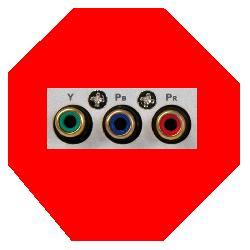
This is another one of those bad news, good news stories. The bad news is that the Federal Communications Commission has caved in to the movie industry's demand to disable the component video interface on high-def devices. The good news is that the studios can use this so-called selectable output control only under very specific circumstances, to protect fresh video on demand titles.
Is price gouging on patents inflating the prices of DTVs? A lobbying group says DTV patent holders are imposing onerous terms when licensing their technologies to competing manufacturers. And the Federal Communications Commission has promised to investigate.
Michael Powell, the newly appointed chairman of the <A HREF="http://www.fcc.gov/">Federal Communications Commission</A>, announced March 29 to the House Telecommunications Subcommittee that his agency will soon begin reviewing ownership caps on broadcast television and other forms of media.
Cable subscribers in some localities may soon find themselves paying higher monthly bills, thanks to a decision by the <A HREF="http://www.fcc.gov">Federal Communications Commission</A> (FCC) on October 4.
Despite competitive pressure from direct broadcast satellite (DBS) services, cable providers have managed to push subscription rates up faster than the pace of inflation, according to a report issued by the Federal Communications Commission at the beginning of January.
The nation's first full test of the DTV transition has been 99 percent successful, says Kevin Martin, chair of the Federal Communications Commission. But he acknowledged that a few viewers lost signals and predicted that 15 percent of TV markets nationwide would see some shrinkage.
The <A HREF="http://www.fcc.gov/">Federal Communications Commission</A> has turned down an appeal by a California-based Internet service provider hoping to piggyback its services on local cable television lines. <A HREF="http://www.ivn.net/">Internet Ventures, Inc.</A> had tried to exploit what it saw as a loophole in cable-access law that might have let the company use unallocated bandwidth for its Internet service.
February may be the shortest month of the year but it was long on noteworthy product recommendations from your favorite magazine, including three that made our Top Picks of the Year list. Among these most recent picks is a cinema-caliber projector, an affordable yet powerful home automation system, a killer subwoofer, and a speaker system that is striking sonically and visually.
Television broadcasters in New York City will receive approximately $8.2 million in federal assistance to rebuild antennas lost in the terrorist attack of September 11, according to a December 23 report in the <A HREF="http://www.nytimes.com"><I>New York Times</I></A>. Almost all of the city's broadcasters had their transmitters mounted on the top of the north tower of the World Trade Center, which collapsed after being struck by a hijacked airliner.