- REVIEWS
Displays Electronics 
Speakers Sources Other Gear Software - HOW TO
How To Buy How To Use Tech 101

LATEST ADDITIONS
 Attention, stocking stuffers: Best Buy is stuffing its restocking fee. The elimination of the 15 percent fee for returned merchandise is a small victory for consumers as well as a boon to holiday shoppers who might be more willing to take chances.
It used to be that all television was delivered wirelessly over the air for freewell, you have to wait through commercials, but you don't pay any money for it. Then cable companies started offering a much wider palette of programming via wires, charging a monthly subscriptionand on many channels, the commercials are still there. Satellite service returned to wireless broadcasting but retained the subscription fee and commercials on many channels.
Now, a fourth delivery system is gaining significant ground. More and more viewers, especially younger viewers, are receiving their TV programming from the Internet. This approach frees you from the strictures of a broadcast scheduleno more Must See Thursday, though DVRs like TiVo remove this limitation from over-the-air, cable, and satellite as well (plus, they let you skip commercials). Even better, some content is free (for example, basic Hulu in standard definition) while premium programming typically requires a subscription fee ($8/month for Hulu Plus in 720p, $9/month for Netflix).
So I wonder: When you watch network TVand I mean all networks, not just ABC, CBS, NBC, WB, and Foxdo you receive it mostly via terrestrial over-the-air, cable, satellite, or the Internet? Or do you eschew network TV altogether?
Vote to see the results and leave a comment about your choice.

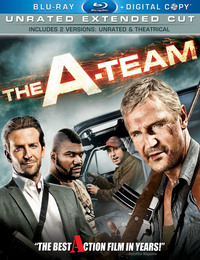 Convicted by a military court for a crime they didn't commit, a daring team of former Special Forces soldiers must utilize their unique talents to break out of prison and tackle their toughest mission yetclearing their name.
 Of course the BBC is Britain's version of public radio. Its Radio 3 channel is strong in classical, jazz, world music, new music, and spoken-word drama.

 Video: 5/5
 Video: 4.5/5
 Video: 5/5
Pages







| Displays Electronics Speakers | |
Sources Other Gear Software | |
Top Picks of the Year Top Picks | |
Custom Install How To Buy How To Use | |
Tech 101
|
|
Latest News Features Blogs | |
Resources Subscriptions |
WHERE TECHNOLOGY BECOMES ENTERTAINMENT
 © 2026 Sound&Vision
AVTech Media Americas Inc., USA
All rights reserved