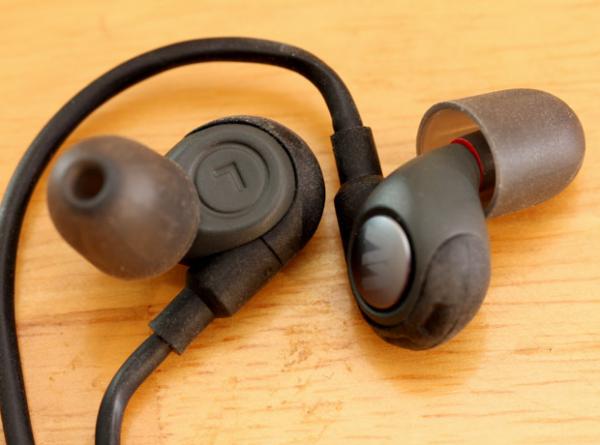
As Brent Butterworth reminded everyone earlier in the week, subwoofer specialists Velodyne impressed us quite a bit last year with their first headphone effort, the in-ear vPulse.
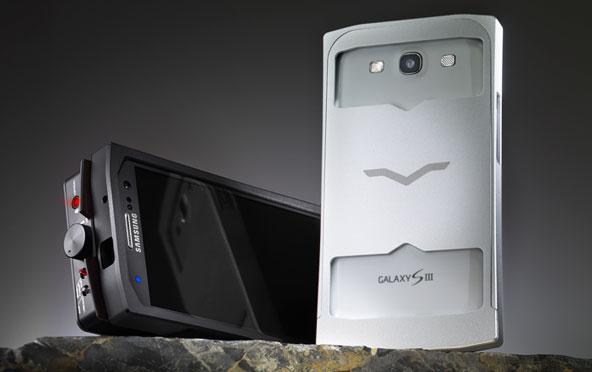
As an Android fan, it's been frustrating to me to see how many audio accessories have been made for the iPhone, but almost none for my phone of choice. As a Samsung Galaxy S III owner, it's been even more frustrating, because the GS3 has sold more than 40 million units to date, with the GS4 coming in a couple of weeks to keep the trend going. Finally, though, someone's come up with an audio accessory for the GS3. Not some tacky little plastic dock, either. It's actually the coolest portable headphone amp I've ever seen: the V-Moda Vamp Verza.
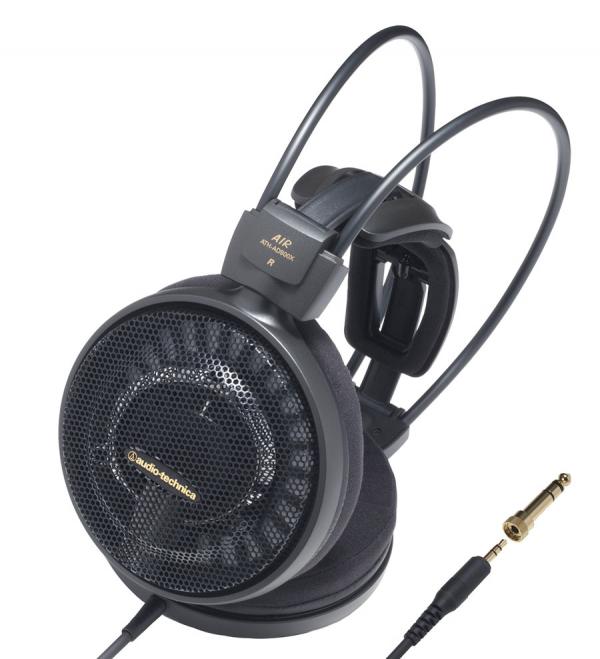
When I’m asked to pick my favorite headphones for S&V’s Editor’s Choice awards, it’s always easy. I just make a list of the ones I kept using after the review was done—the ones I listened to even when I didn’t have to. After our test of affordable audiophile headphones last year, the headphone I kept on using afterward was the AudioTechnica ATH-AD900. It’s a big, comfortable, spacious-sounding, tonally neutral open-back headphone. Just the thing for streaming Internet radio for hours while I’m writing, or to use for an all-night-long Netflix binge.
That’s why I was so happy to find a successor to the ATH-AD900 at the January CES show. The ATH-AD900X has the same list price, pretty much the same specs, and similar looks.
I've heard Skullcandy 'phones ranging from the well-balanced RocNation Aviator to the heavy-handed Hesh to the hard-driving Titan, an inconsistency that led me to guess that the company wasn't making a serious effort to voice its headphones.
It's not so easy to convert a headphone to Bluetooth. You've got to find space for the amplifier, processing circuitry, radio transceiver, and battery-and all that stuff taking up space inside the earpieces can change the sound a lot. Plus you kinda have to have a cabled mode, because you can't use Bluetooth on airplanes.
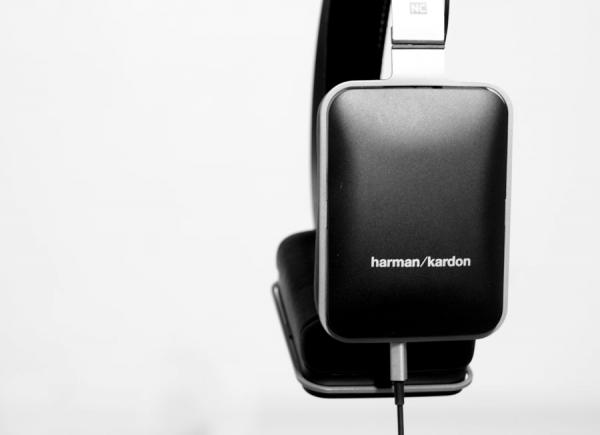
I'm not much of a businessman. (If I were, would I be writing audio reviews for a living?) Still, after years of experience in marketing and advertising, I can't help but admire a good business strategy. That's partly why I like the Harman Kardon NC.
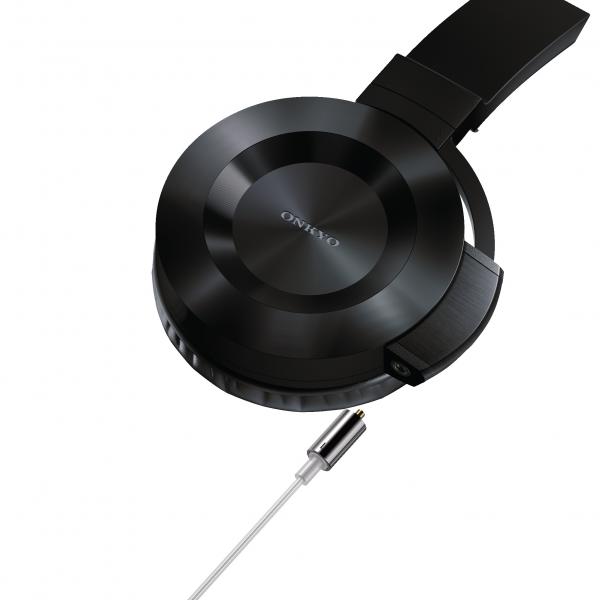
Onkyo is a well-respected, well-established name in the hi-fi industry. When they announced the release of the ES-HF300 headphone, it was surprising to realize that this is their first foray into headphones. While known more for their receivers and hardware, they have produced speakers in the past. It's amazing they shied away from the market for this long. If first impressions mean anything, the ES-HF300 is, well, impressive.
When Furutech launched their consumer-oriented Alpha Design Labs line in 2011 with the GT40 USB DAC/phono stage, it was clear that the company - which has long had a solid reputation among old-school audiophiles as a manufacturer of interconnects, power supply components, and connectors - was making a serious commitment t
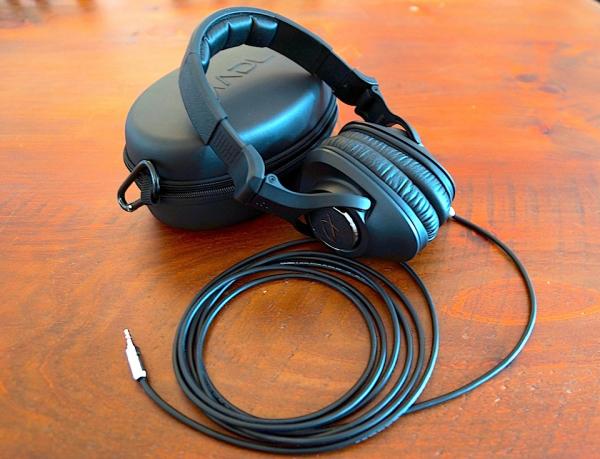
"So this is a tuner headphone," our frequent West Coast listening panelist Will Huff commented when I showed him the Mad Dog Alpha. "Like tuner cars?" he suggested when he saw my quizzical look. "Like in Fast and Furious?" he asked when I gave him a shrug. Ah, finally I got it.
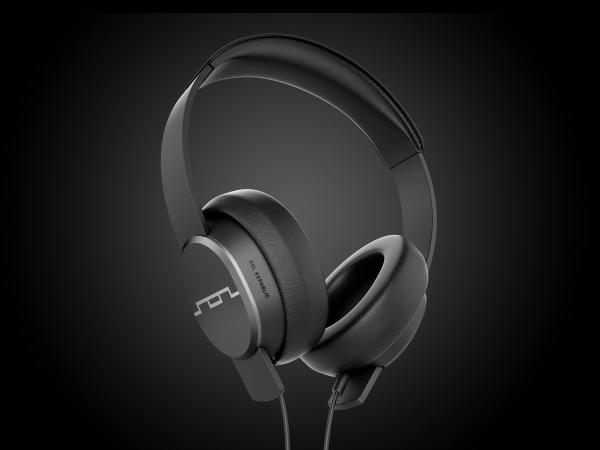
Two years ago, not a soul had heard of SOL Republic. Last summer, that all changed as everyone watching the Summer Olympics frantically googled to see what brand of headphones were seemingly permanently attached to swimmer Michael Phelps' head whenever he was out of the water. Overnight, SOL Republic went from "what's that?" to "must have." Can their latest design keep up with the hype?
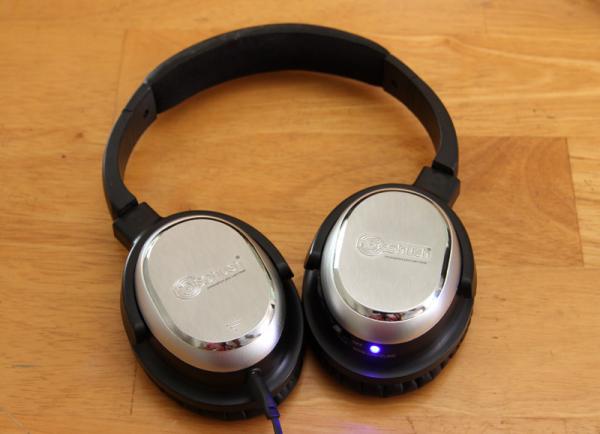
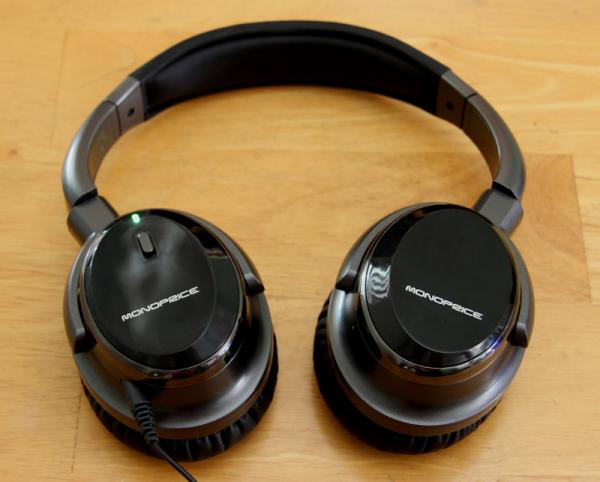
Noise-cancelling headphones shouldn't be so expensive. In most cases, the technology is simple: a couple of tiny microphones, a cheap amplifier chip, and a simple filter circuit.
I’ve been searching a long time for a good noise-cancelling headphone priced around $100—something that might approach the performance of the $299 Bose QC-15 but at one-third the price.
The companies that have most benefitted from the headphone boom are the ones who are great at marketing but don't know much about audio engineering. (Yet.) Two of the hottest brands in the biz are Beats and Skullcandy, companies that didn't even exist when the iPod debuted.
Has there ever been a headphone brand so controversial as Beats? It's undeniably popular; just walk around any downtown or airport in any industrialized country and you're almost sure to see a set. Yet audio enthusiasts-including the ones at Sound & Vision-often deride Beats' sound quality.
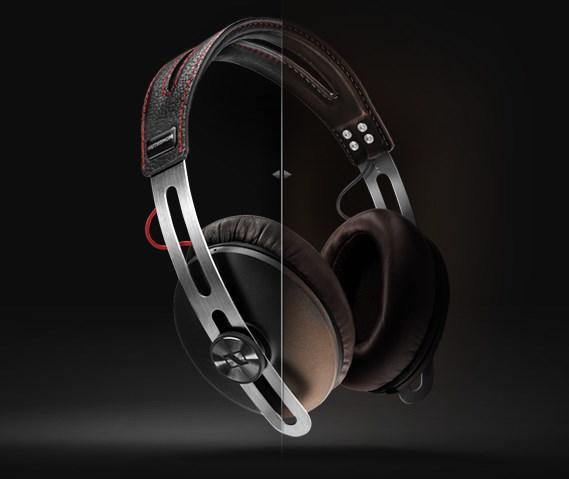
Sennheiser has long been a fixture in the professional audio and high-end audiophile market. I’ve used my Sennheiser HD 595 and HD 600 Open Dynamic headphones for many applications - in the studio for reference monitoring, for sound quality consulting, and for audio forensics. When Sennheiser announced the Momentum series, I was instantly curious about these affordable, fashionable, and (somewhat) portable headphones. Would they live up to the brand’s reputation?