As a custom installer, I find that education is one of my main jobs. Every day, people come into my shop seeking advice on how best to spend their A/V dollars. And whether their budget is $1,000 or $100,000, they want to be sure they're getting the best bang for their buck.
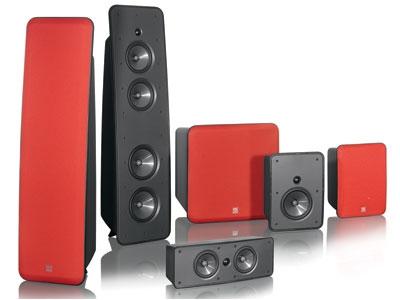
Boston acoustics goes designer00690283471606BostonHS60If you study the demographics of those of us who really value high-quality audio gear, a frightening trend soon becomes clear: The audiophile population is
Want to show your photos on your new HDTV? Great idea, but it's not as easy as it sounds - your digital camera doesn't store files the way HDTVs display them. Here's advice and tools to help you streamline the HD slide show process.
Will dual digital and analog versions of local broadcast TV stations push small cable networks out of cable systems? That's what some cable networks fear. And they're voicing their fear by suing the Federal Communications Commission.
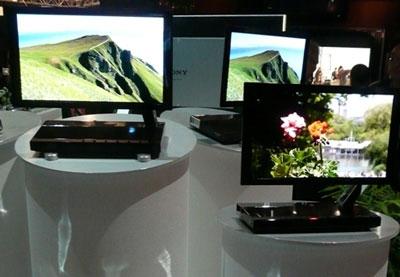
At last year's CES, Sony previewed an 11-inch, 3mm-deep OLED TV prototype that made other flat-panel sets at the show look positively obese. That same model showed up in finished form at the company's press conference Sunday, rising up Vegas showbiz-style from beneath the stage in a maneuver reminiscent of the Stonehenge scene from Spinal Tap.
Kaleidescape, the world-beating home video server system, will soon support Blu-ray discs, according to information passed from the company to the Kscapeowners website.
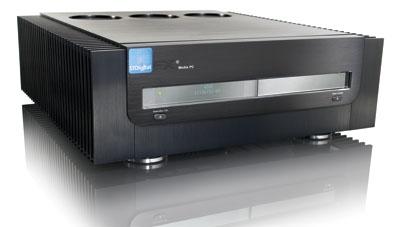
A computer in the living room? Madness! Computers are big and noisy. They aren't reliable, they aren't remote-controllable, and they can't even handle high-def. Keep them the hell away from my media room!
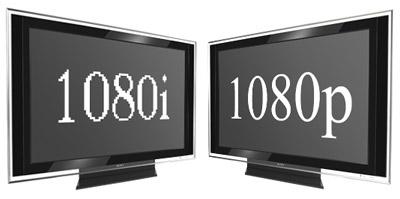
TV is rooted in the same concept as movies: Capture and display a sequence of still images fast enough, and the eye perceives smooth motion rather than a succession of individual pictures. Historically, however, TV has handled this process somewhat differently from movies. A TV image, or frame, is a grid of individual picture elements (pixels), arranged in rows and columns.
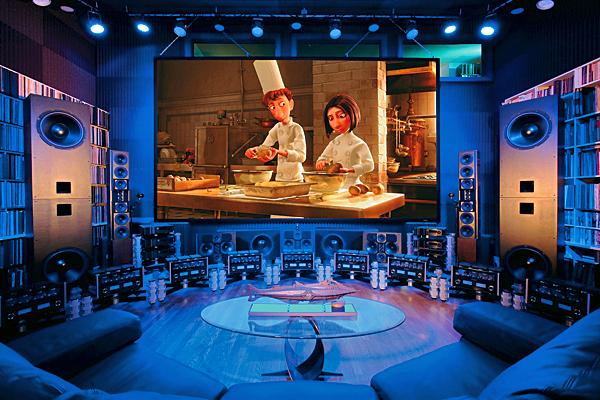
When it comes to home theaters, I thought I'd seen it all. But nothing's come close to this. First, I'm going to try to describe the sheer magnitude of Jeremy Kipnis' theater. His Stewart Snowmatte laboratory-grade screen is the biggest I've ever seen in a home, and in the back of the theater, there's a Sony ultra-high-resolution (4,096-by-2,160) SRX-S110 digital projector. I'm looking everywhere, jotting down questions, and Kipnis sounds almost giddy talking about his theater's capabilities. He refers to his baby, the Kipnis Studio Standard (KSS), as "The Greatest Show on Earth." And from the looks of it, he may be right.